Silverfish in Bathroom: Why They Show Up and How to Dry Them Out
Contents
- Silverfish in bathroom: what to do tonight
- Why silverfish love bathrooms: humidity above 75%
- Silverfish vs. firebrats: same shape, different conditions
- How to get rid of silverfish in the bathroom for good
- Baits, diatomaceous earth, and sprays: what the labels say
- What doesn’t work (and why)
- When to call a professional
- Bathroom silverfish checklist
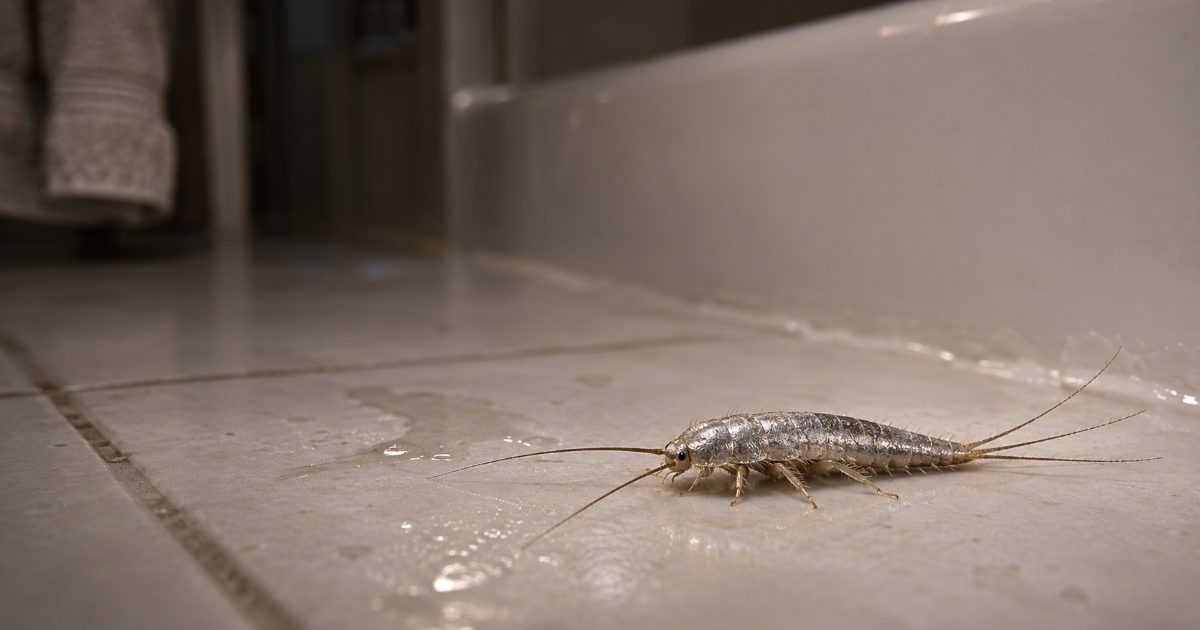
Silverfish in the bathroom are a sign the room stays too humid: these insects need roughly 75% relative humidity or more, and a steamy bathroom with a weak fan or a slow leak gives them exactly that. Dry the room out and most of the problem goes away on its own.
- What works: run the exhaust fan, fix drips and leaks, and keep humidity below 60% (ideally 30-50%). Add traps to see how many there are.
- How long: with drying plus a targeted dust or spray, UC IPM expects results within a few weeks.
- Call a pro: if numbers stay high after 2 to 3 weeks of drying, or you find them throughout the house.
Silverfish in bathroom: what to do tonight
You can make a difference before you buy anything. Start here.
- Run the exhaust fan during every shower and after it. The EPA recommends running the bathroom fan or opening a window when you shower. If the fan barely pulls a tissue toward it, it needs cleaning or repair.
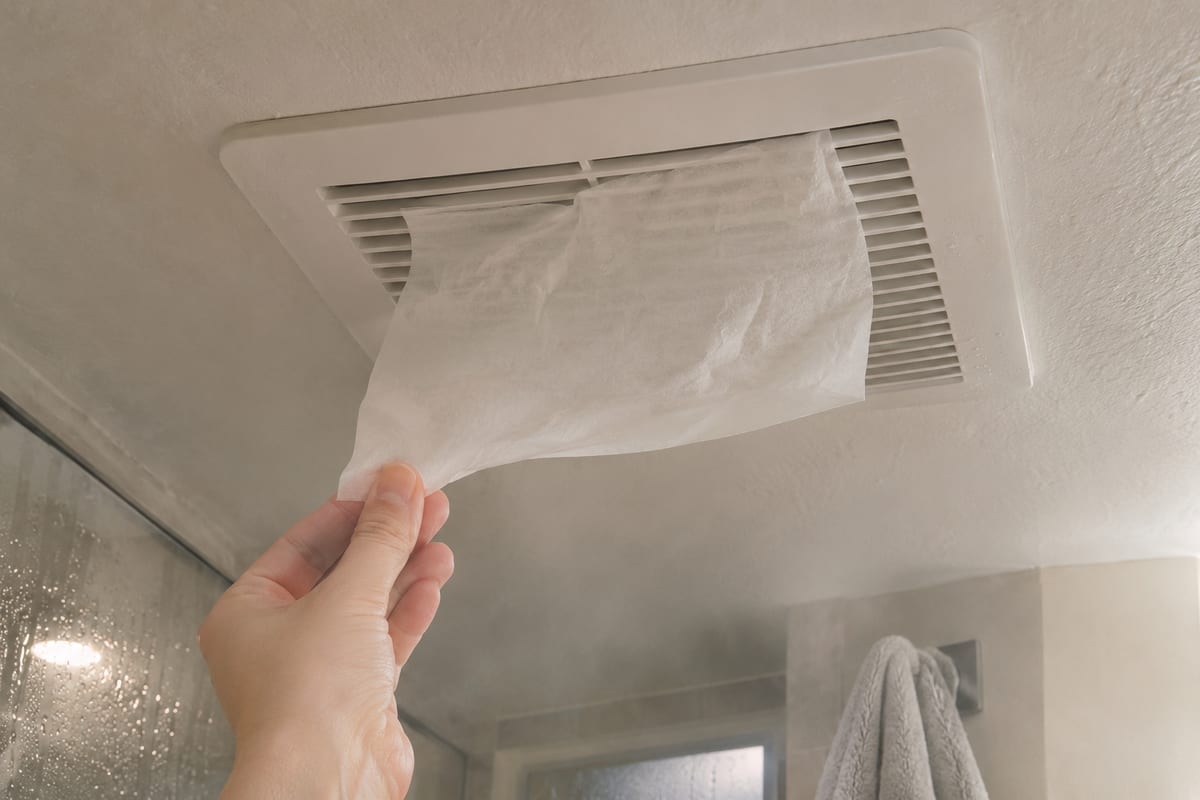
The tissue test: hold a single tissue just under the grille with the fan on. A working fan pulls it flat against the cover; if it barely moves, the fan needs cleaning or repair. - Wipe up standing water. Dry the tub edge, the floor around the toilet, and the sink counter before bed. Hang wet towels and bath mats where they can dry.
- Look for leaks. Check under the sink, around the toilet base, and at the tub faucet. The EPA says to fix plumbing leaks as soon as possible.
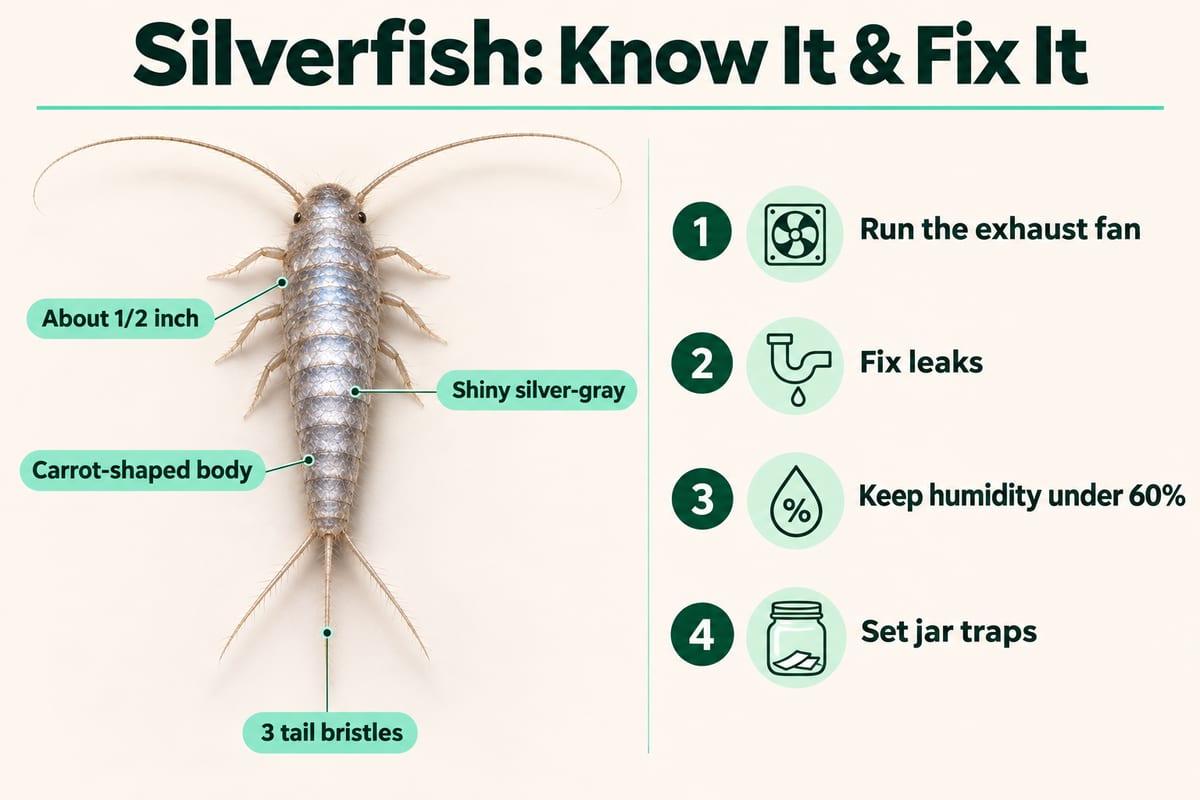
- Set traps. Wrap a small glass jar with masking tape on the outside and stand it upright where you saw silverfish. They climb the tape, drop in, and can't climb the smooth glass. Sticky traps sold for cockroaches also work.
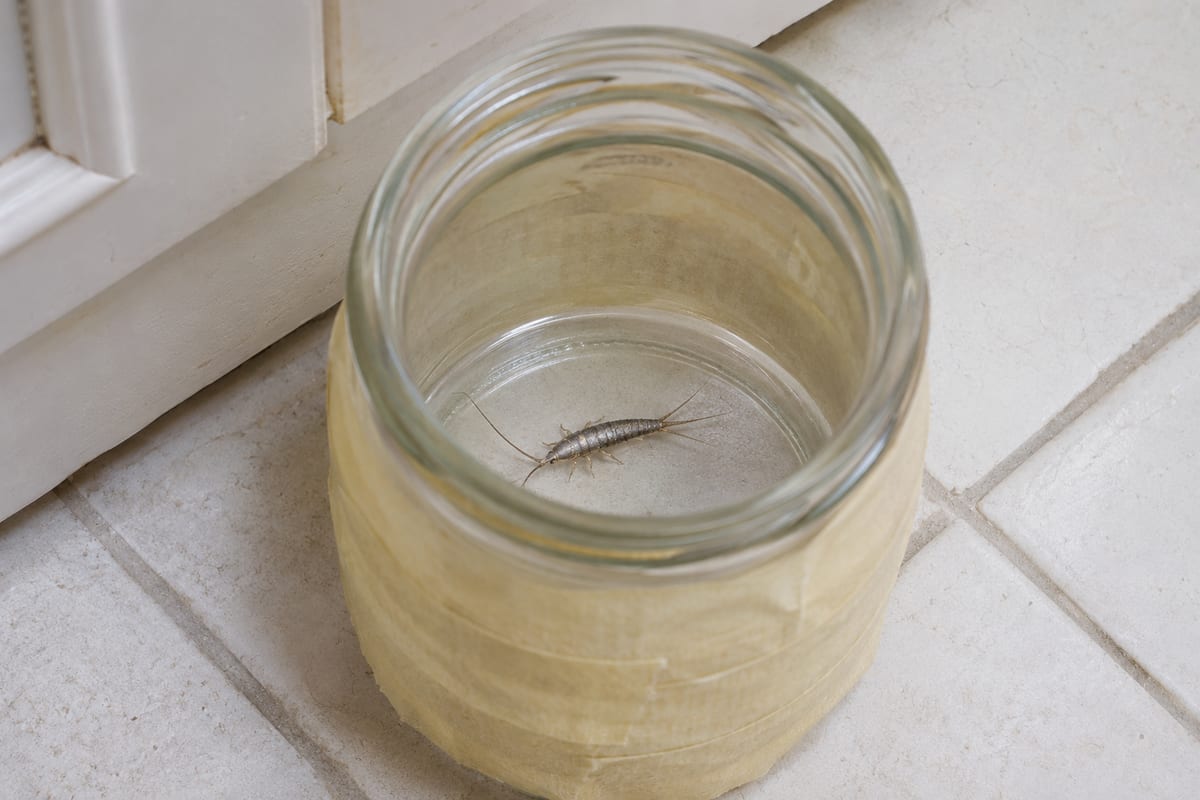
A taped-jar trap next to the vanity. The silverfish climbed the tape, fell in, and can't grip the smooth glass to get out. Note the carrot-shaped silvery body, long antennae, and three tail bristles. - Clear the floor. Move stored toilet paper, cardboard, magazines, and old towels out from under the sink and off the floor.
Why silverfish love bathrooms: humidity above 75%
Ohio State University Extension puts silverfish’s preferred range at 75% to 95% relative humidity. UC IPM adds that silverfish prefer 71 to 90°F (22 to 32°C), and at the warmer end of that range, humidity must stay above 75% for them.
A bathroom hits those numbers every day. Hot showers push humidity up fast, and in a small room with no window or a weak fan, it can stay high long after you’re done. Add a dripping trap under the sink or a damp wall behind the tub and you have a permanent water source.
That is why you usually see them in bathrooms, kitchens, laundry rooms, and basements, and why drying works so well. UC IPM notes that dehumidifiers and fans can bring humidity down to a level silverfish can’t tolerate.
Where they come from
UC IPM describes these insects crawling along pipelines and through openings in walls and floors, moving from one level of a building to another. In the bathroom they hide:
- Behind baseboards and loose tiles
- In gaps around pipes under the sink and behind the toilet
- Behind the vanity and inside wall voids
- In cracks in grout and caulk around the tub
Silverfish are nocturnal, which is why you mostly spot them when you switch on the light.
If your whole house smells damp, the problem may be bigger than the bathroom. Our guide to tracking down a musty smell in the house covers how to find hidden moisture.
What silverfish eat in a bathroom
Silverfish eat a wide range of starchy and paper-based materials, and a bathroom has more of them than you might think. UC IPM and Health Canada list:
- Paper products, including the glue and sizing in paper and cardboard
- Wallpaper paste
- Dust, dead insects, and crumbs
- Mold and other fungi growing on damp surfaces
- Starch in fabrics
In a bathroom, that means cardboard toilet paper tubes, stacked rolls, old magazines, damp cardboard boxes under the sink, and mildew in grout lines. Cleaning those up cuts their food supply.
They are also hard to starve. UC IPM and Ohio State both say silverfish can survive several months without food, which is why removing moisture matters more than removing food.
Silverfish vs. firebrats: same shape, different conditions
Two similar insects show up in bathrooms. Both are about 1/2 inch (13 mm) long, with a flattened, carrot-shaped body that tapers toward the rear, two long antennae, and three long tail bristles.
| Feature | Silverfish | Firebrat |
|---|---|---|
| Color | Silver or pearl gray, shiny | Mottled gray or brown |
| Size | About 1/2 in (13 mm), up to 3/4 in (19 mm) | About 1/2 in (13 mm) |
| Preferred temperature | 71-90°F (22-32°C) | Above 90°F (32°C), best at 98-102°F (37-39°C) |
| Humidity | High: 75-95% RH | Tolerates as low as 30% RH |
| Typical bathroom spot | Damp floors, tub, sink, under the vanity | Near hot water pipes, water heaters, heating units |
| Lifespan | About 3 years (UC IPM); up to 8 years (Ohio State) | About 2 years |
Sources: UC IPM Pest Notes: Silverfish and Firebrats; Ohio State University Extension ENT-64.
The difference matters for control. Drying the room is the main fix for silverfish. Firebrats are driven by heat more than moisture, so look for insulated gaps around hot water lines and the water heater. UC IPM also notes that several boric acid dusts don’t work well on firebrats.
How to get rid of silverfish in the bathroom for good
Once you know the cause, the fix is mostly maintenance.
- Get humidity under control. Aim for the EPA target of below 60% relative humidity, ideally 30% to 50%. Use the exhaust fan, leave the door open after showers, and add a small dehumidifier if the room still stays damp.
- Fix every leak and drip. UC IPM recommends fixing leaks and sealing gaps where pipes and conduit pass through walls.
- Caulk cracks. Re-caulk gaps around the tub, along baseboards, and around pipe openings to remove hiding spots.
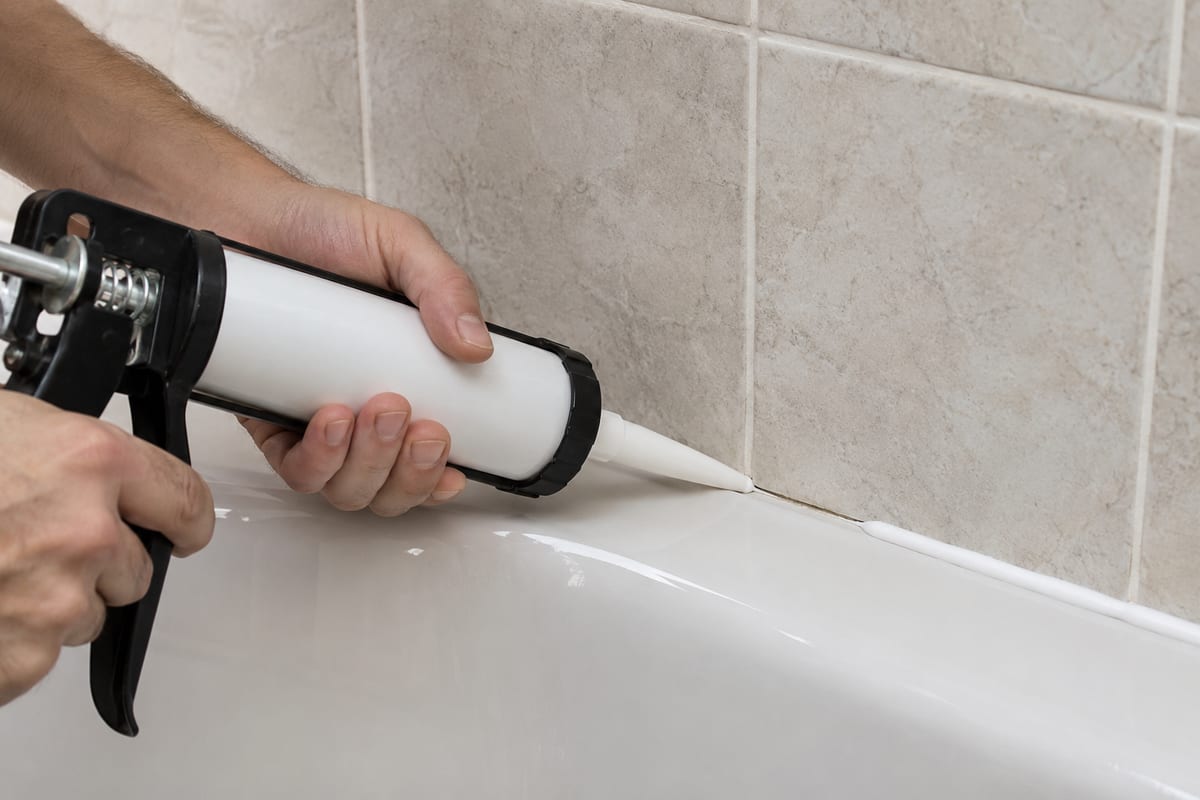
Running a fresh bead of caulk where the tub meets the tile. Remove old cracked caulk and let the joint dry first so the new bead seals the gap silverfish hide in. - Clean and declutter. Vacuum along baseboards, clean under the sink, and store paper goods in plastic bins.
- Keep trapping. Check jars or sticky traps every few days. Falling counts mean the drying is working.
- Treat dry hiding spots only if needed. See the next section.
Health Canada notes that silverfish populations grow slowly, so a large number usually means they have been there for a long time. Expect it to take a few weeks for counts to drop.
Baits, diatomaceous earth, and sprays: what the labels say
For a light infestation, UC IPM says insecticides usually aren’t needed. If you do use a product, it will only work if you also remove the moisture.
Diatomaceous earth (DE). DE is a fine powder made from the fossilized remains of tiny aquatic organisms called diatoms. It isn’t a poison; it absorbs the oils and fats from an insect’s outer shell so it dries out. NPIC notes that DE stays effective only while it is kept dry and undisturbed. That makes it useful in dry wall voids, behind the vanity, and under baseboards, and nearly useless on a wet bathroom floor. UC IPM warns that dust that gets wet and dries again cakes up and has to be reapplied.
- Use a product labeled for indoor insect control, and follow the label. The label is the law.
- Apply a thin, barely visible layer with a bulb duster. UC IPM notes a thick layer just makes surfaces slippery.
- Avoid breathing the dust. NPIC notes it can irritate the nose and airways.
Boric acid and silica gel dusts. These also last a long time in dry voids, according to Health Canada. Products combining silica gel or boric acid with pyrethrins work best when the dust contacts the insects directly (UC IPM).
Baits. Baits sold for silverfish exist, but UC IPM reports they generally aren’t very successful, because silverfish tend not to feed on them. Treat bait as a minor add-on, not the plan.
Sprays. Crack-and-crevice sprays with pyrethrins or pyrethroids can kill silverfish on contact. Spray only into cracks and gaps, not open surfaces, and keep products out of sinks and drains.
What doesn’t work (and why)
| Myth or habit | Why it fails |
|---|---|
| Pouring bleach or cleaner down the drain | Silverfish don't come up through drains. UC IPM notes they fall into tubs and sinks and can't climb the slippery sides out. |
| Foggers ("bug bombs") | UC IPM says foggers aren't recommended for silverfish. The mist doesn't reach the cracks and voids where they hide. |
| Spraying without drying the room | UC IPM is blunt: insecticides won't be effective unless you also remove the moisture, food, and hiding places. |
| Relying on bait | Silverfish tend not to feed on baits (UC IPM). |
| Piling DE on a wet floor | DE only works when dry; wet deposits cake and stop working (NPIC, UC IPM). |
| Cedar, lavender, or other scents | None of the extension sources we checked recommend scents as a control. At best they mask the real problem, which is humidity. |
Sources: UC IPM Pest Notes: Silverfish and Firebrats; NPIC Diatomaceous Earth Fact Sheet.
Silverfish aren’t dangerous, either. Health Canada calls them harmless to humans, and their jaws are too weak to bite. Panic-buying strong chemicals for a few silverfish usually does more harm than the insects.
When to call a professional
Most bathroom silverfish problems end once the room stays dry. Bring in a pest professional, or a plumber, when:
- Trap counts haven’t dropped after 2 to 3 weeks of drying and treatment. UC IPM says this usually means they’re coming from untreated hiding spots.
- You find silverfish in several rooms, closets, or bookshelves, not just the bathroom.
- You suspect a hidden leak inside a wall or under the floor.
- Walls feel damp or show peeling paint or mold. See our guide to condensation on walls for how to tell condensation from a leak.
- You rent. Report leaks and a broken exhaust fan to your landlord, since those repairs are usually theirs.
If you also find small fuzzy larvae or holes in wool and carpets, that’s a different pest; check our carpet beetle guide.
Bathroom silverfish checklist
- Exhaust fan runs during and after every shower
- Humidity below 60% (30-50% ideal) an hour after showering
- Leaks under the sink, toilet, and tub fixed
- Cracks around tub, baseboards, and pipes caulked
- Paper, cardboard, and old towels off the floor
- Taped jars or sticky traps checked every few days
- Any dust applied thinly in dry voids only, per the label
- No foggers, no drain chemicals
Frequently asked questions
Why do I have silverfish in my bathroom?
Bathrooms give silverfish the moisture they need. They prefer 75% to 95% relative humidity, and a bathroom after a shower, with a slow leak or a weak exhaust fan, easily stays that damp. Paper products, mold, and dust give them food nearby.
Are silverfish in the bathroom dangerous?
No. Health Canada describes silverfish and firebrats as harmless to humans. Their jaws are so weak they scrape the surface of paper rather than bite it. The real issue is that they point to a moisture problem and can damage paper, books, and wallpaper.
Do silverfish come up through the drain?
No. UC IPM notes that silverfish and firebrats can't crawl up through a drain. They wander into tubs and sinks looking for moisture, fall in, and can't climb the slippery sides back out, so they look like they came from the drain.
Does one silverfish in the bathroom mean an infestation?
Not necessarily. Silverfish populations grow slowly, so a large number usually means they have been there a long time. If you see one, check humidity and leaks and set a few sticky traps or taped-jar traps to see how many there are.
What kills silverfish in the bathroom naturally?
Drying the room is the most effective natural control, because silverfish can't survive long at low humidity. Diatomaceous earth can kill them in dry cracks and voids, but it stops working once it gets wet, so it is a poor fit for wet bathroom surfaces.
Why do I see silverfish in the bathroom at night?
Silverfish are nocturnal. They hide in cracks, behind baseboards, and around pipes during the day and come out at night to look for food and water, which is when the bathroom is dark and still damp from the day's showers.